

视频的 AI 字幕,外语片也能自动翻译
In the realm of modern technology, the integration of artificial intelligence into various aspects of our lives has become increasingly prevalent. One of the most fascinating applications of AI is in the field of video translation, where AI-powered subtitles can make foreign language films accessible to a wider audience. This innovation has not only bridged the language barrier but has also enriched the cinematic experience for viewers around the globe.
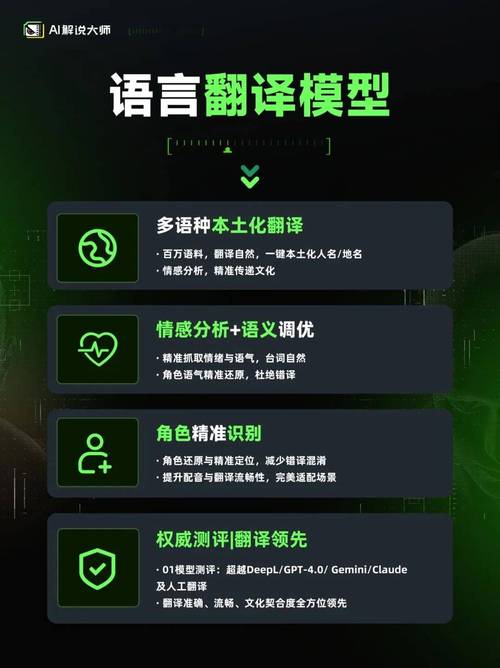
The concept of AI-generated subtitles is not new, but its evolution has been remarkable. Initially, subtitles were manually created by human transcribers, a time-consuming and costly process. However, with the advent of AI, this task has been revolutionized. AI algorithms can now analyze audio, transcribe it into text, and then generate accurate subtitles in real-time. This has significantly reduced the production time and cost associated with subtitle creation.
One of the key advantages of AI-generated subtitles is their speed and efficiency. In the past, it could take days or even weeks to create subtitles for a film. Now, with AI, the process can be completed in a matter of hours. This has allowed for the rapid release of films in multiple languages, ensuring that audiences worldwide can enjoy the latest releases simultaneously.
Moreover, AI subtitles are not just about speed and efficiency; they are also about accuracy. The algorithms used in AI subtitle generation are trained on vast amounts of data, enabling them to understand and transcribe a wide range of accents, dialects, and even slang. This ensures that the subtitles are as close to the original dialogue as possible, maintaining the integrity of the film's dialogue and enhancing the viewer's experience.
The accessibility of foreign language films has been greatly improved by AI subtitles. For instance, individuals who are deaf or hard of hearing can now enjoy films that were previously inaccessible to them. Additionally, language learners can use AI-generated subtitles to improve their language skills by comparing the subtitles with the original audio.
However, despite the numerous benefits, there are challenges associated with AI-generated subtitles. One of the most significant concerns is the potential for errors. While AI algorithms have become increasingly sophisticated, they are not yet perfect. Misinterpretations of words or phrases can occur, leading to confusion or miscommunication. Moreover, cultural nuances and idiomatic expressions may not always be accurately translated, which can detract from the film's impact.
Another challenge is the issue of synchronization. AI-generated subtitles must be timed correctly to match the audio, ensuring that viewers can read the text without missing any important dialogue. Achieving perfect synchronization is a complex task, and it can sometimes be difficult for AI algorithms to get it right.
Despite these challenges, the overall impact of AI-generated subtitles on the film industry is undeniable. It has opened up new opportunities for filmmakers to reach a global audience, and it has made the cinematic experience more inclusive and accessible. As AI technology continues to advance, it is likely that these challenges will be addressed, and the quality of AI-generated subtitles will improve even further.
In conclusion, the integration of AI into the creation of subtitles for foreign language films has been a game-changer. It has not only made films more accessible to a diverse range of viewers but has also streamlined the production process. While there are still limitations to AI-generated subtitles, the benefits they offer far outweigh the challenges. As we move forward, it is exciting to think about the potential of AI to continue transforming the way we consume and appreciate cinema.

文章评论